How Canada's Oceans Protection Plan Impacts Recreational Boaters
Canada’s Oceans Protection Plan aims to improve marine safety and environmental health. For recreational boaters, the impacts range from better safety services to stricter environmental responsibilities.
Overall, recreational boaters will benefit from the changes to how Canada protects its precious waterways.
Key Takeaways
- The Oceans Protection Plan impacts recreational boaters in several ways
- Canadian boaters must respect new restricted areas and maintain an up-to-date Pleasure Craft Licence.
- It is no longer permitted to abandon a vessel in the water.
- New infrastructure will help boaters and those on shore access better information about weather systems and environmental hazards.
- New radar towers will improve access to search and rescue teams.
Overview of the OPP: What recreational boaters need to know
Here’s a quick overview of how the OPP impacts the Canadian boating community:
- Changes to the Pleasure Craft Licence rules mean you need to update your licence every 5 years, you can no longer just abandon a boat, and you have to cancel the licence if you remove the vessel from the water.
- New radar towers mean you will have better access to search and rescue, especially during the peak season.
- Environmental protection laws may change how you can use some areas (restrictions on speed, anchoring, discharge and noise). The goal is to protect marine wildlife and keep boating areas clean for everyone.
- New digital tools will make it possible for coastal communities to access better information about boating activity, severe weather and other environmental conditions such as high winds. There is also an ongoing effort to create more accurate, high-resolution electronic marine charts, especially in high-traffic or sensitive areas.
4 Ways the OPP could change your boat trip
There are four ways that the Oceans Protection Plan could impact your recreational boating activities this year:
1. Search and Rescue (SAR)
The OPP has substantially increased the resources available to boaters in distress.
- Several new Canadian Coast Guard (CCG) stations have been established across the Atlantic and Pacific coasts to improve response times to boating emergencies. The expansion of seasonal rescue boat stations, including the first-ever station in the Arctic, will provide support during the peak summer boating season.
- Modernization of Marine Communications and Traffic Services (MCTS) and the installation of new radar towers (especially in British Columbia, Nova Scotia, and Newfoundland) will help the Coast Guard monitor traffic more accurately and prevent black-out periods in communication.
2. Abandoned vessels
The plan introduced the Wrecked, Abandoned or Hazardous Vessels Act, which has direct legal and financial implications for boat owners.
- It is now illegal to abandon a boat. Owners are held responsible for the costs of removal and cleanup if their vessel becomes a hazard or is abandoned.
- The government has funded the removal of hundreds of vessels from local waterways to improve navigation and protect the environment.
- There are ongoing efforts to modernize the Pleasure Craft Licence system to better track boat owners for the purpose of issuing fines, making search and rescue efforts easier, and responding to boat theft.
3. Environmental protection
Everyone benefits from cleaner, more resilient waterways. To make this a reality, boaters may also face new navigational restrictions.
- As Canada works toward its 30x30 goal (protecting 30% of its oceans by 2030), certain sensitive ocean zones (Marine Protected Areas) may have restrictions on speed, anchoring, or discharge to protect habitats like eelgrass and kelp beds.
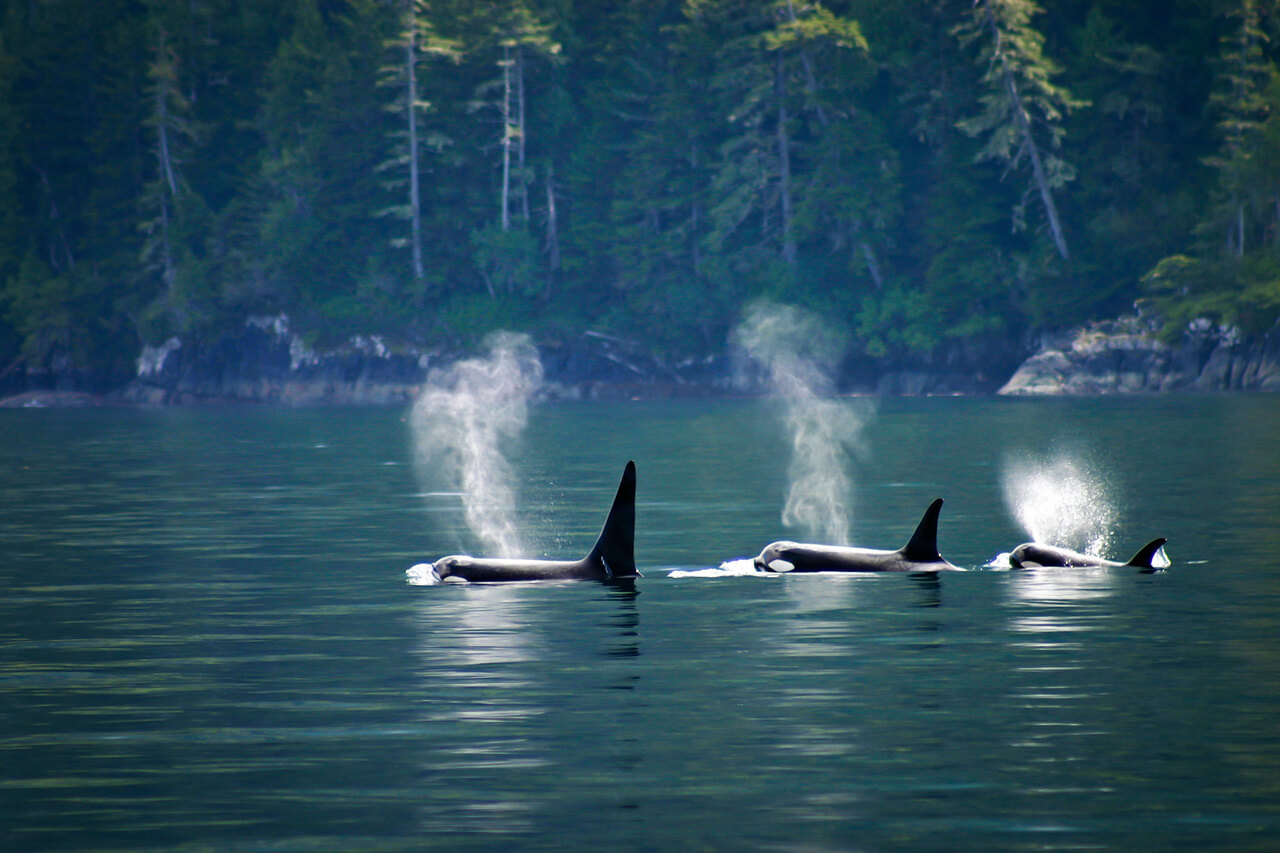
- To reduce collisions with marine wildlife and noise disturbance (especially for at-risk species), boaters may encounter seasonal speed zones or stay-back distance requirements.
- If a spill occurs in a popular boating area, the response is significantly faster and more effective, however boat operators remain responsible for following all boat pollution laws, which includes doing everything possible to avoid fuel spills and leaks of contaminants into the water.
4. Digital tools and situational awareness
The OPP has funded the development of the Enhanced Maritime Situational Awareness (EMSA) platform. This web-based tool provides Indigenous and coastal communities (and sometimes the broader public) with near real-time information on who is sharing their waters, from large commercial tankers to other recreational boaters, and to monitor pollution events, weather, sensitive areas, and more.
Learn about recreational boating laws with the National Boating Safety School
Safe boating involves following all Canadian boating laws.
This includes carrying your Pleasure Craft Operator Card whenever you are boating in Canadian waters. When you take the course and pass the test, you will learn safe boating basics, from navigation to safety equipment and more.
Take our Transport Canada-approved safe boating course today and earn your official proof of competency. Register with the National Boating Safety School today!